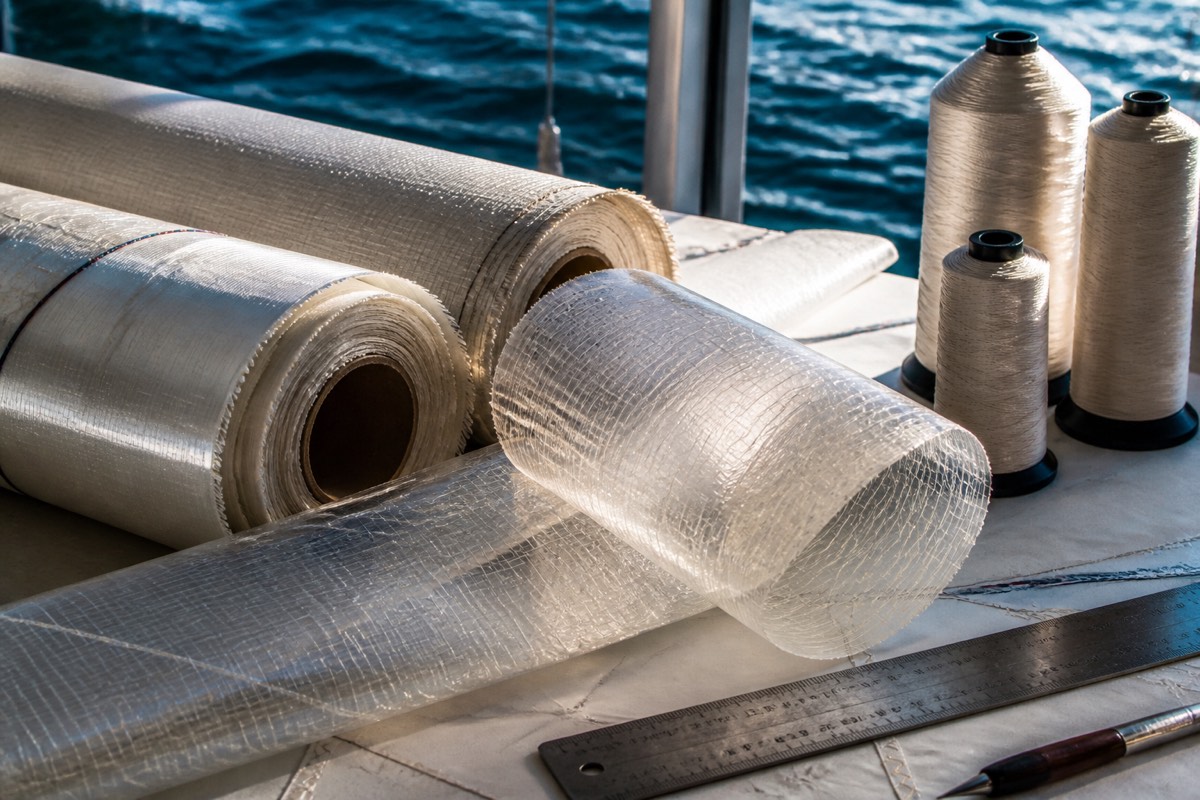
Sailcloth & Materials
Woven cloth, laminates, fibers and weight explained through the jobs they must do at sea.
SAILMAKER'S FIELDBOOK · UPDATED 25 AUGUST 2026
A technical marine desk for choosing cloth, measuring sails, reading wear and tuning the rig one controlled change at a time.
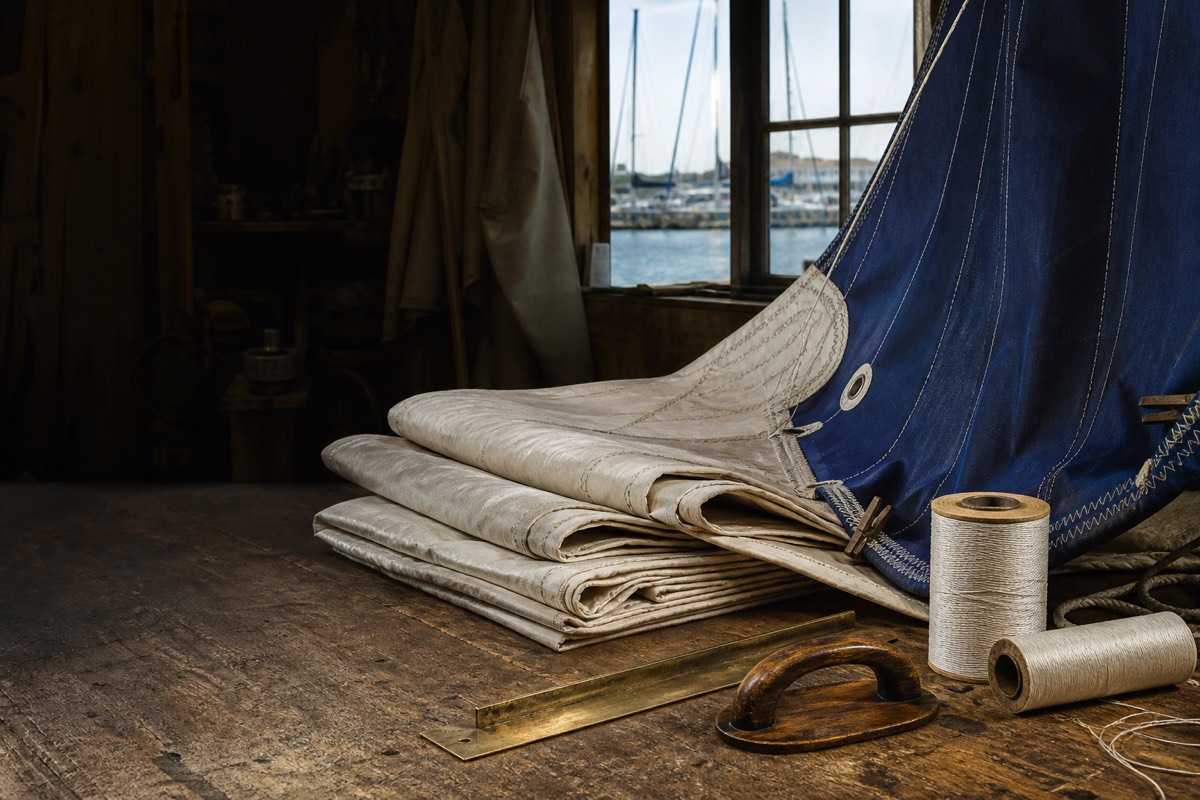
Cloth, hardware and notes ready for the next question.
06 ENTRY POINTS
Broad doors for sailors, technicians and marine brands. The detail lives in the notes beneath them.
Woven cloth, laminates, fibers and weight explained through the jobs they must do at sea.
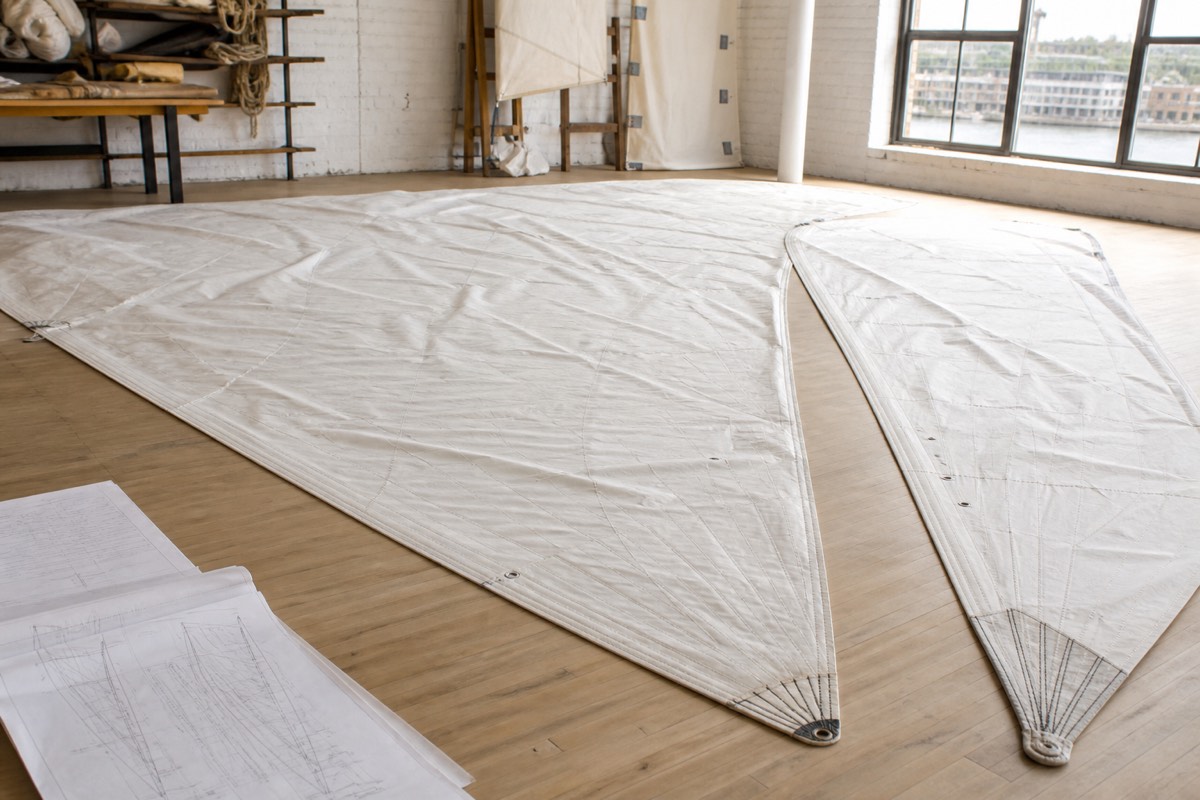
Mainsails, headsails, spinnakers and panel layouts, with the load path kept in view.

Mast setup and sail controls translated into observations a crew can record.
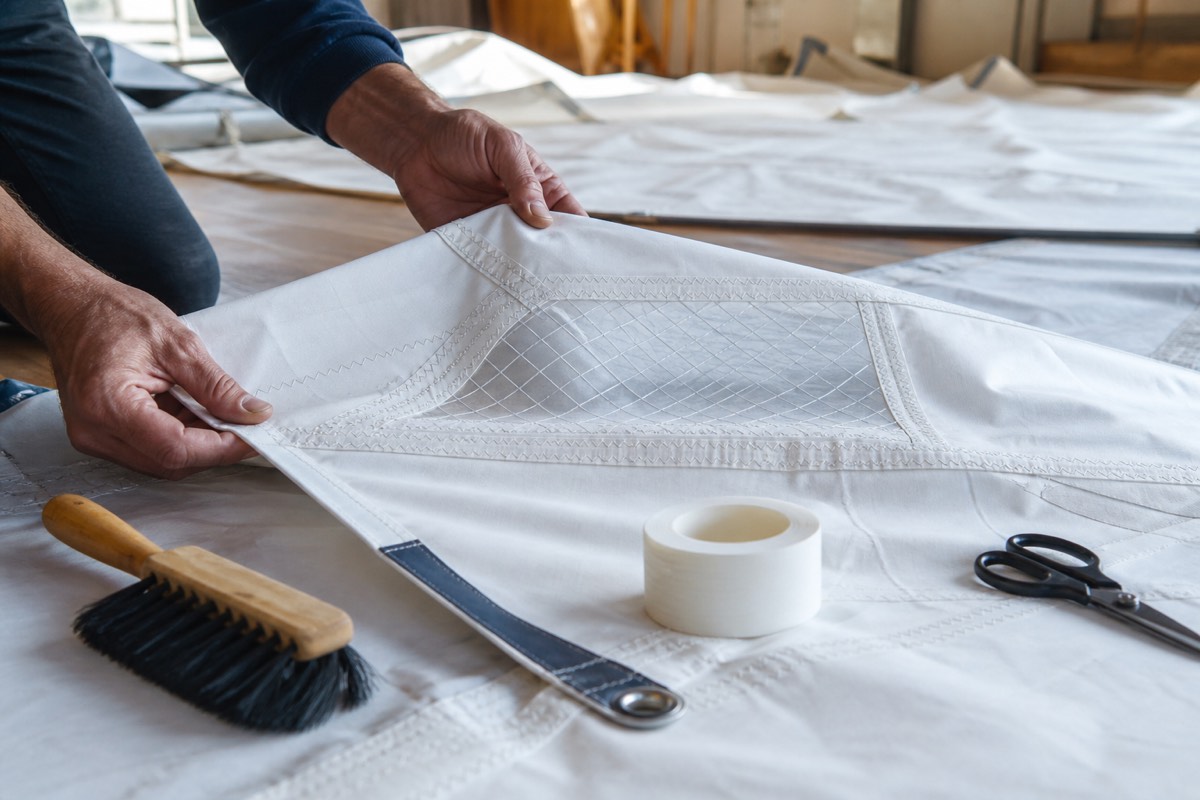
Inspect chafe, UV, seams and hardware before a small fault becomes a long repair.
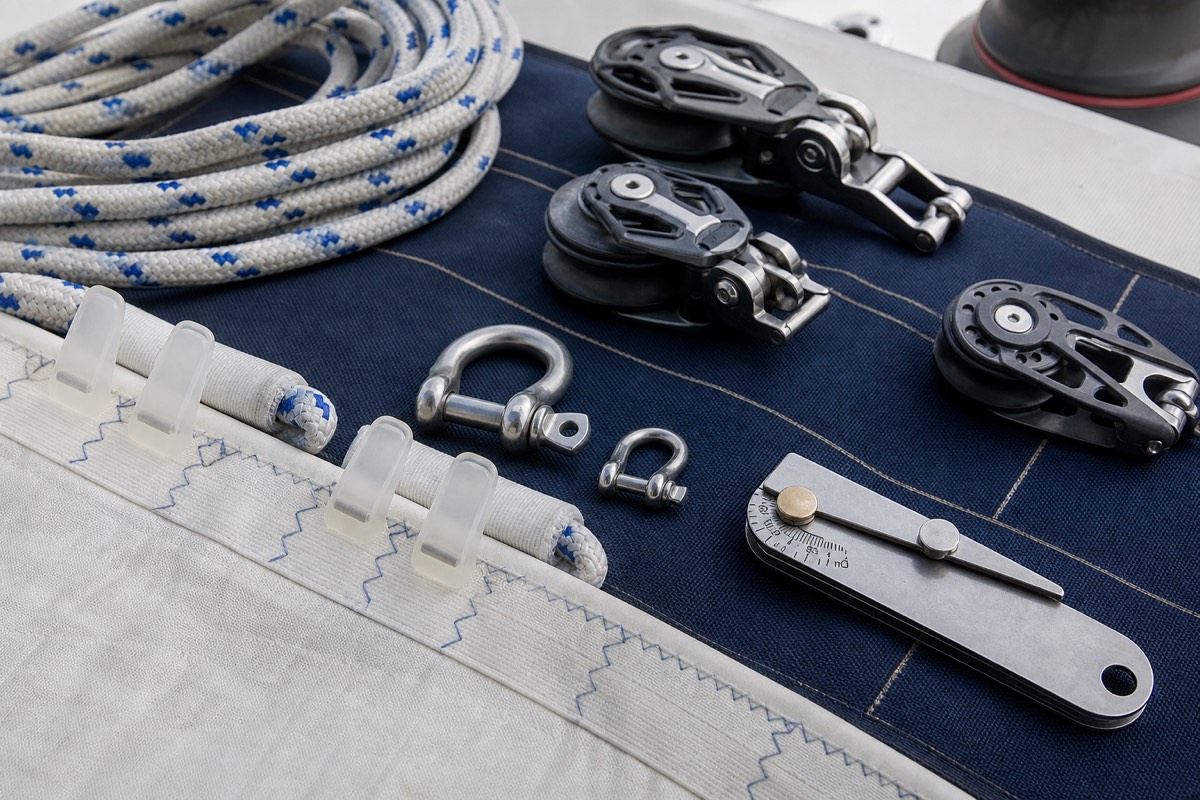
Reefing gear, blocks, slides and measurement tools chosen with compatibility in mind.

Beaufort language, sail choice and conservative handling for changing water.
THE LATEST NOTES
Each note is dated because cloth, hardware and advice change. Browse the live notebook
Discover how sailmaking and rugby share values of precision and teamwork, with a look at Bordeaux's rugby culture and the historic Chaban-Delmas stadium.
A practical guide to horse riding around Anduze: lessons, FFE licence, trail rides, and what a riding centre organises each week.

How reduced instrumentation, low-ceiling rooms and short sets shape chamber music in Reykjavik, from free-reed melodica to twenty-minute budgets.

A field note on vinyl film for arrows: cast versus calendered stock, mil thickness, surface prep, heat removal, and how wrap mass shifts arrow balance.

Dove and bobwhite cover in the brush country, Nushagak sockeye counts, and the desk routine that keeps field notes and corrections straight.

How British gundog and sheepdog trials are run, scored and entered, from spaniel hunting tests to nursery and open herding classes.

Swiss crossbow sport on 10 m and 30 m: distances, match season, safety roles, club structure, coaching and youth protection in the national federation.

Walleye, pike and muskellunge seasons in Ontario Fishing Zone 5, size and possession limits, plus border and boat preparation for a trip.

A fieldbook on golf equipment by shelf and by material: shoe contact with the ground, bag protection, and clothing chosen by weather and calendar.
Practical notes on preparing a street performance: playing area, crowd thresholds, evacuation, and the daily life of touring companies.
THE DESK'S RULE
The Fieldbook uses primary manuals, manufacturer descriptions and repair references, then states the boundary around each recommendation. Read the method · Open the source index · Measure a sail.
TRANSPARENCY
Read how corrections, commercial relationships and source dates are handled.
About the desk · Fieldbook author · Contact · Privacy · Editorial policy · Sponsored content policy · Responsible sailing · Sailcloth topic · Rig tuning topic · Legal information.
THE FIELDBOOK SHELF
These pages are revisited as sources, materials and sailing practice change, so they remain useful reference points.
Compare boat context, sail, cloth family, wind band and use before asking for a design.
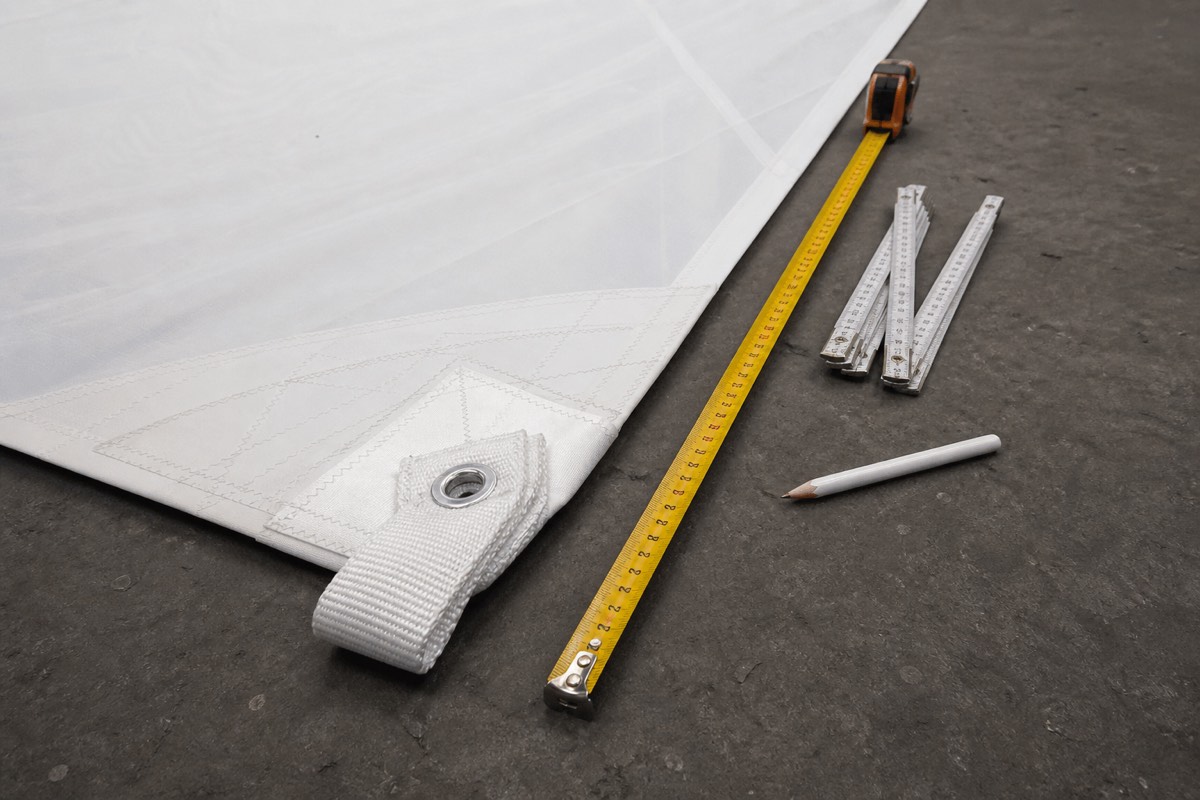
Keep corners, edges, stations, units and unknowns together so a loft can reproduce the observation.
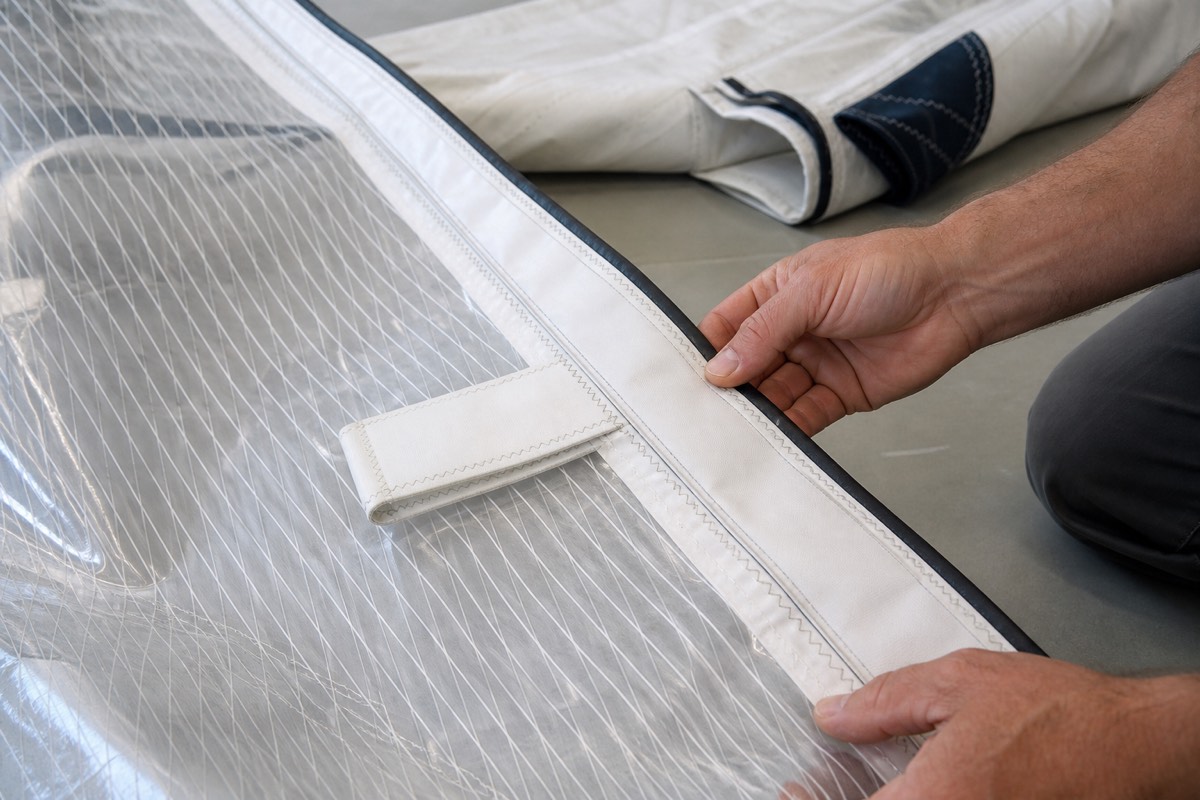
Sort wear by symptom and location, then choose whether to monitor, repair or ask for inspection.

Read the rig in sequence and record what changes under load before touching an adjustment.
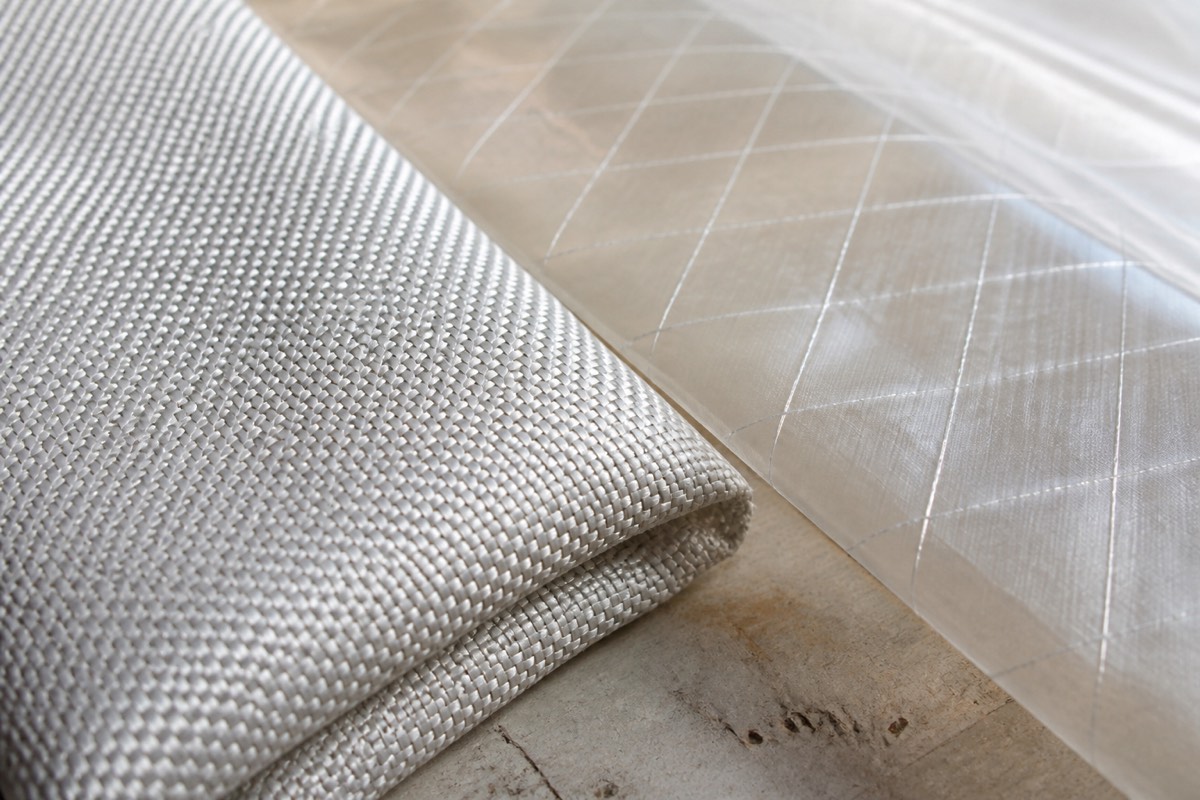
Set woven and laminate cloth beside load path, handling pattern, exposure and repair expectations.
ADJACENT DESKS
These desks explain their own working subjects through clear, source-led notes and useful reference routes.
practical web craft · hydrogen systems · PCI Express reference · resist-dyed cloth · beginner stargazing · receivables workflow · For those who go on the water with a paddle instead of sails, Paddelbladet is a Swedish sea kayaking magazine covering capsize recovery, hull and paddle choices, and reading wind and chop before a trip.
Working loads and rehearsals have a cousin behind the camera: the stunt safety desk documents falls, wire work and set margins as repeatable practice rather than bravado.